
Practical Nursing Help Tips to Produce Excellent Coursework

“Nursing coursework doesn’t have to feel like a mountain.”
Nursing is not just a job. It is all about caring for people, making decisions in a moment, and sometimes saving lives. But the truth is, coursework can feel like climbing an endless mountain.
So, have you worked for hours on your assignment and ever had a thought?
“Does this even matter?”
Here is the thing that tells it does. Coursework isn’t only about the grades. It helps you learn, build confidence, and get ready to handle real patients. Even small strategies can make a big difference. In fact, research shows students who plan their work and use practical tips can improve their grades by 30% or more.
In this blog, we’ll cover:
- Practical tips to make your nursing coursework stand out
- Easy ways to structure your assignments
- How to balance life and studies
- Real examples you can use today
Tips for Producing Exquisite Coursework
Whether it’s writing a nursing case study or getting nursing personal statement help, these tips are for you. By the end, you won’t see coursework as a burden, but you’ll see it as a tool to succeed.
Start With a Clear Outline
The first step to a good nursing coursework outline is planning. Students often jump directly into writing, which leads to missing details and messy ideas.
Suppose you are working on a case study about a diabetic patient. Without the right plan, it is very easy to forget all the significant symptoms and treatments.
Here, we have mentioned an effective nursing course outline that works best every time. Start by making a list of relevant coursework you need to cover. This helps you plan your outline and ensures nothing important is missed.
- Introduction
Who is your patient, and what is the problem?
- Patient History
Lifestyle habits, medical background, and age.
- Observations and Symptoms
What did you notice?
- Treatment Plan
How would you help the patient?
- Conclusion
What did you learn?
Tip: Start with bullet points and then turn them into complete paragraphs. It makes your work organised and easy to read.
Example: If you’re writing an impactful nursing case study, your outline might look like:
- Patient introduction
- Symptoms noticed
- How your intervention helped
- Outcome
A clear outline saves time and makes your work look professional.
- Use Real-Life Examples
This is the second most vital factor to learn from tips for Writing. Don’t just list down the symptoms. Tell about how the patient felt, how they responded to treatment, and what you did. Examples help in making your work interesting and relevant.
- Keep Simple Language
You don’t have to use any fancy words.
“Check blood sugar” works better than “continuously assess glycemic indices.”
Simple words help you make your work readable and understandable.
- Breaking Your Work Into Chunks
Headings and subheadings help both readers and you. A clear structure gains marks and show a better understanding.
- Use Small Tables for Data
This section of tips to improve tells that tables make information easy to see. For example, recording patient vitals:
| Time | Blood Pressure | Heart Rate | Notes |
| 8:00 AM | 120/80 | 78 | Patient stable |
| 12:00 PM | 118/76 | 80 | Administered medication |
| 4:00 PM | 122/82 | 79 | Patient responded well |
Tables save words and make your coursework look clean and professional.
- Balance Life and Coursework
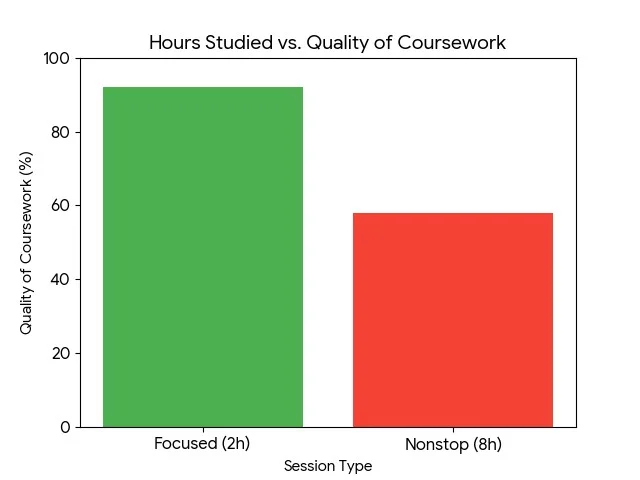
Don’t try doing it all in one go. Break your work into 2-3 hour sessions. Take short breaks; even a 5-minute stretch would refresh your mind.
How to Make Your Nursing Coursework Really Shine
Okay, now that you’ve read to improve your coursework, let’s make your coursework actually stand out.
And don’t worry, it’s not about using fancy words or overcomplicating things. It’s more about being bright and clear.
- Connect What You Learn to Real Life
Textbooks are excellent, but they’re not the whole story. Show how what you learn applies to real patients.
For example, if you’re writing about a patient recovering from surgery, don’t just list steps like “check wound” or “give medicine.”
- Explain why it matters
- What happens if missed
- How does it help patients get better
This makes your work feel real and not just copied from any book.
- Show Your Experience
Try to add short paragraphs at the end to see what you have learned. It could be about the patient you have approached or something about the teamwork.
Example:
“Observing the patient’s vital signs closely made me realise that small changes can mean a lot.
Observation really is as important as treatment.”
Reflection makes your work personal and shows your thinking.
- Keep Your Notes Neat
Messy notes make coursework stressful. Keep all your notes in one notebook or folder. Use headings, bullet points, or even colours if it helps.
| Topic | Notes Type | Example Use |
| Diabetes Care | Observations | Blood sugar, diet logs |
| Medication Admin | Procedures | Dosages, side effects |
| Case Study Reports | Reflections | Patient outcomes, lessons learned |
This way, when you sit down to write, everything is already organised.
- Edit Like a Friend Is Reading It
Don’t just submit the first draft. Read it out loud as if someone else were to read it. This is what we read in tips for excellent nursing coursework. It focuses on fixing small mistakes, unclear sentences, or words that don’t sound right. Even tiny edits make your work look professional without trying too hard.
- Ask for Feedback
Sometimes you’re too close to your work to see small mistakes. Ask a friend, tutor, or classmate to read it. Even one little suggestion can make your coursework much better.
The key here? Advanced doesn’t mean complicated. It’s just writing thoughtfully, keeping things clear, and making your work easy to understand. Even a brief review can improve your written coursework, making it clearer and more professional.
How to Handle Advanced Nursing Coursework
Advanced coursework may sound scary, but it doesn’t have to be. Think of it as a way to show that you really understand nursing.
- Break Tasks Into Small Chunks
We all know that significant assignments feel overwhelming and are not easy to solve. The most effective trick is to do a small Part at a time. For example, a detailed case study:
Day 1: Research the patient’s condition
Day 2: Write the patient’s history
Day 3: Note symptoms and treatment
Day 4: Finish with conclusion and reflection
Doing it in pieces makes it way easier and less stressful.
- Make Your Case Studies Clear and Real
If you are working on an impactful case study, you should focus on pointers that really matter. Explain:
- What happened
- What you noticed
- What you did
You don’t have to list only the facts, but also have to tell the story.
Example:
“The patient had severe redness around the incision. I noticed it and reported it immediately. The team quickly acted, and the patient recovered without any complications.”
- Keep Online Coursework Simple
Online nursing coursework assignments are the easiest to get distracted by. All you need to do is find a quiet place, keep your notes, and work in short breaks. Even just 30 minutes of focus at a time works better than trying to do it all at once.
- Add a Short Reflection
Write a few sentences about what you have learned. This will make your work feel personal and thoughtful.
Example: “I learned that carefully checking the vitals can prevent problems even before they become serious.”
- Don’t Forget Life Outside Coursework
Yes, assignments are essential, but you need breaks too. Sleep, eat, stretch, and spend time with friends or family. A fresh mind always writes better than a tired one.
Quick Table to Plan Coursework
| Step | What to Do | Why It Helps |
| Break Into Steps | Divide the work over several days | Less stress, easier to focus |
| Focus on Details | Show what really matters | Makes your case study strong |
| Online Sessions | Short, focused blocks | Avoid distractions |
| Reflection | Add what you learned | Shows thoughtfulness |
| Life Balance | Take breaks and rest | Keep your mind sharp and alert |
Following these small steps makes advanced coursework easier, clearer, and even a little fun without feeling like a huge burden.
It’s a Wrap
Nursing coursework may sound scary and overwhelming at first, but it doesn’t have to be. With a bit of planning, simple steps, and real-life planning, you can make your work organised, clear, and even enjoyable.
Things to remember:
- Start with a simple outline
- Use examples to make your points feel real
- Organise your notes
- Break big tasks into small steps
- Take breaks and balance coursework with life
Even advanced assignments become much easier when you take them one piece at a time.
Reflection, careful observation, and short, focused sessions go a long way.
And here’s the best Part, the skills you use for coursework aren’t just for grades. They prepare you for real patients, real situations, and real success in nursing. So take a deep breath, plan your work, and get started. Your nursing coursework isn’t a mountain, but it’s a ladder.